
Therapy and LGBTQ+ Pride: A Natural Connection

June's Pride Month celebrates the LGBTQ+ community.
Therapists can create transformative spaces by supporting both Pride's inclusivity and mental health. Pride Month acknowledges LGBTQ+ struggles and progress, while highlighting the ongoing journey towards equality. Mental health challenges due to stigma and discrimination are common, making therapy a vital resource. Therapists should offer safe, affirming spaces, validating experiences, respecting identities, and understanding community-specific issues. Inclusive practices help build resilience, coping mechanisms, and self-worth, fostering a more supportive society. Recognizing the link between mental health and Pride builds understanding, ensuring everyone feels valued and heard.
The Unique Mental Health Needs of the LGBTQ+ Community
It’s no secret that the LGBTQ+ community face unique challenges that can impact their mental health. Studies show that they’re more than twice as likely as their heterosexual peers to harbor mental and emotional struggles. Struggles such as depression, anxiety, and substance misuse, largely due to minority stress—chronic strain caused by stigma, discrimination, and social exclusion. Attempting to navigate these challenges alone can be overwhelming, especially when you know that acceptance isn’t always guaranteed.
Therapy, when affirming and inclusive, becomes a sanctuary—a place where LGBTQ+ clients can explore their identities, process complex emotions, and build resilience in the face of adversity.
The Power of Affirming Therapy
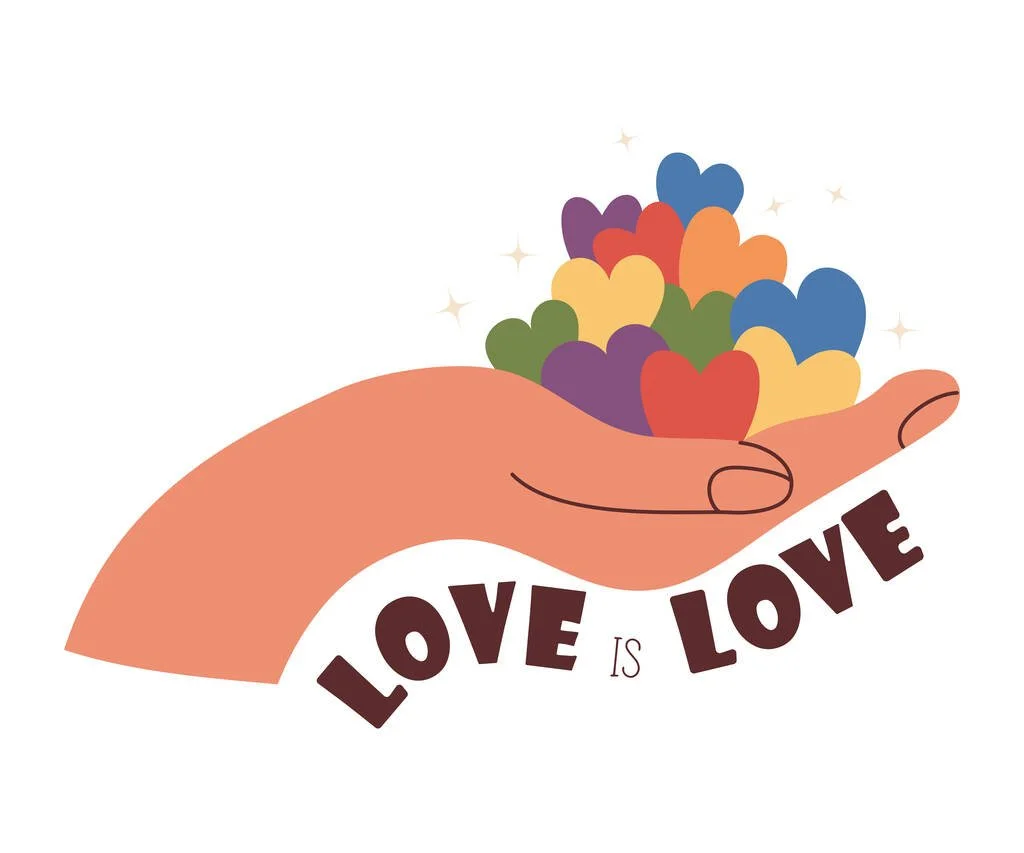
Affirming Therapy: The therapeutic approach that validates, supports, and advocates for the needs of sexual and gender minority clients.
It’s a specialized approach that validates and celebrates LGBTQ+ identities. It rejects the notion that being LGBTQ+ is a problem to be fixed, instead recognizing it as a natural and valuable part of human diversity.
What You Can Expect in an Affirming Therapy Session:
Safe, Judgment-Free Space: An environment that’s been curated. Where clients can openly discuss their identities, relationships, and experiences. No fear of judgment or misunderstanding.
Validation and Acceptance: A therapist who honestly and whole-heartedly provides validation to help their clients feel seen and respected… accepted. The kind of validation that provides healing for those who have experienced rejection or invalidation.
Cultural Competency: A therapist with the knowledge and understanding of the cultural, social, and political contexts that shape LGBTQ+ experiences. The client should be ensured that their supporter is relevant and informed.
Client-Centered Approach: A method that is tailored to the unique needs and goals of each client. Not just about empowering them, but also supplying them with emotional tools that allow them to set the pace and focus of their healing journey."
Why Pride Belongs in the Therapy Room
People tend to think that Pride is just about being seen, but it’s so much more than that.
It's Self-Acceptance
〰️
It's Empowerment
〰️
It's Community
〰️
It's Self-Acceptance 〰️ It's Empowerment 〰️ It's Community 〰️
The very qualities that therapy seeks to raise then guard. Here’s how Pride and therapy reinforce one another:
-
Pride encourages LGBTQ+ individuals to be their true selves unapologetically. In therapy, this authenticity is honored and celebrated. Clients are supported in exploring their true selves and supported to embrace the fostering of self-acceptance with the goal of reducing internalized shame.
-
In what can be an unpredictably unwelcoming world, living as an LGBTQ+ person requires immense resilience. Therapists have the training and education required to aid their clients in recognizing their strengths, to develop coping strategies, and to build the confidence to face life’s everyday challenges.
-
Minority stress is a common topic when it comes to Affirmative Therapy. The effects of minority stress can include trauma, anxiety, and depression. But therapy provides the outlet and the tools to process and heal. Addressing these issues in a supportive environment, clients can get the new beginnings and the sense of healing that they deserve and reclaim their sense of joy and hope.
-
Pride. A reminder that no one is alone. A celebration of community. When it comes to creating community and belonging, therapy becomes a networking tool to help clients connect with supportive groups. Whether that be building “families of choice” or finding affirming communities, this sense of belonging is crucial for mental health and well-being.
-
Both Pride and therapy are about empowering people. Therapists who support LGBTQ+ identities help their clients learn to stand up for themselves, set healthy boundaries, and live lives that match their values. Therapy can also inspire people to work for social justice, advocate for equality, and build more inclusive communities.
Celebrating Pride in the Therapy Practice
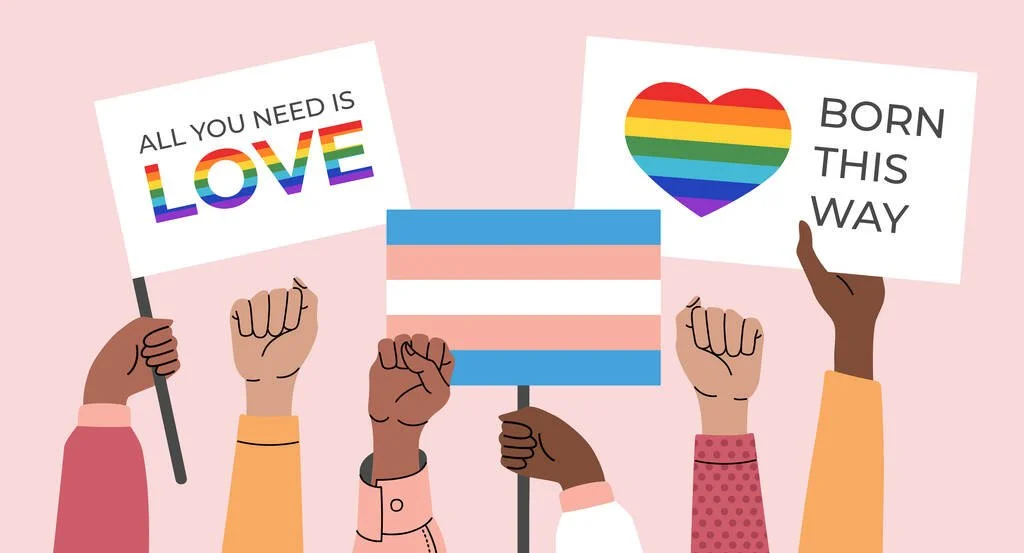
Of course showing support for Pride by displaying symbols, such as the rainbow flag, is a great way to show you care. But real allyship means being inclusive all year. Therapists can truly embrace Pride by fostering the following practices year-round:
Commit to Continuous Learning: Stay informed about LGBTQ+ issues, rights, and terminology to provide the most relevant and respectful care.
Practice Intersectionality: Recognize that LGBTQ+ clients may hold multiple marginalized identities, and tailor support to address the unique challenges that arise at these intersections.
Celebrate Client Strengths: Highlight the resilience, creativity, and vitality that LGBTQ+ clients bring to their lives and communities.
Foster Self-Compassion: Help clients develop self-compassion and challenge internalized stigma, nurturing a positive self-concept.
Therapy as a Pathway to Pride
As Pride Month continues, the best thing we can do is remember that the journey to self-acceptance and well-being is ongoing—and that no one deserves to walk it by themselves. Therapy and Pride go hand in hand. They reinforce each other in the never-ending journey of compassion toward a world of acceptance and equality. Therapy's a game-changer for many LGBTQ+ folks on their way to feeling pride. It’s a spot to work through tough stuff, get stronger, and really be themselves. If you’re figuring things out, coming out, or just need some support for your mental health, affirming therapy can be a big help.
Therapy and Pride? They work together to make things better, more understanding, and empowering for everyone.