
Self-Care Tips and Techniques: A Guide to Prioritizing Your Wellbeing
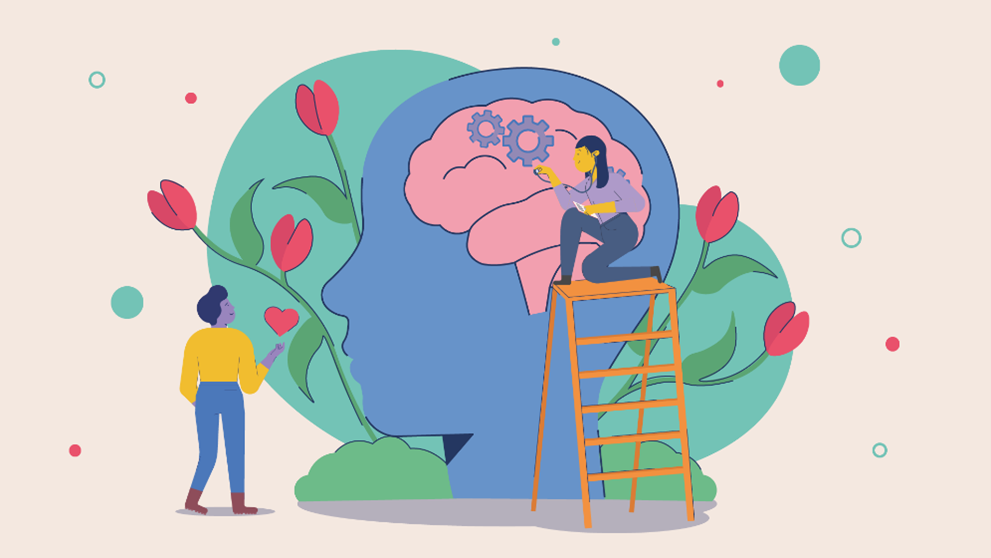
The phrase “Self-care” might seem over used or sound cliche, but it is a core practice for maintaining mental, emotional, and physical health. In today’s world, taking time for yourself isn’t selfish; it’s essential. If you are trying to manage stress, attempting to cope with anxiety, or simply not feeling your best, integrating self-care into your daily routine can make a significant difference. This is a guide that offers a variety of self-care tips and techniques tailored for the person who needs a little kickstart into creating a happier, healthier life.
What Is Self-Care and Why Does It Matter?
The definition: “Self-care is the practice by which individuals, families, and communities actively look after and manage their own health and well-being using available knowledge and resources.” It means figuring out what you need and making it happen. Regular self-care is great for handling everyday struggles, getting tougher and stronger, and just feeling better overall. Even the small self-care actions really improve how you're doing everyday.
Looking after yourself is about consciously doing things that boost your mental, physical, and emotional health.
〰️
Looking after yourself is about consciously doing things that boost your mental, physical, and emotional health. 〰️
Physical Self-Care: Nurturing Your Body

Exercise Regularly: All it takes is 30 minutes. 30 minutes of walking, biking or other physical activity. That active time will boost your mood, reduce your stress, and improve your sleep. You don’t even need to do it all at once, break it into smaller sessions throughout the day if you need to!
Eat Balanced Meals: A healthy diet of food that fuels your body and mind makes all the difference. Rich in fruits, vegetables, lean proteins, and whole grains supports brain function and emotional stability. That doesn’t mean you need to shy away from the occasional sweet treat. Just be mindful of moderation and your hunger/fullness cues.
Stay Hydrated: Drinking enough water is vital for energy, focus, and overall health. Consider investing in an hourly-measured jug or tumbler. More frequent bathroom breaks means you’re doing it right.
Prioritize Sleep: Establish a consistent bedtime routine of 7-9 hours. Limit screen time before bed and create a calming sleep environment. Sound machines, aroma diffusers with essential oils like lavender or jasmine, or a book are recommended to put your mind and body at ease.
Mental Self-Care: Stimulating Your Mind

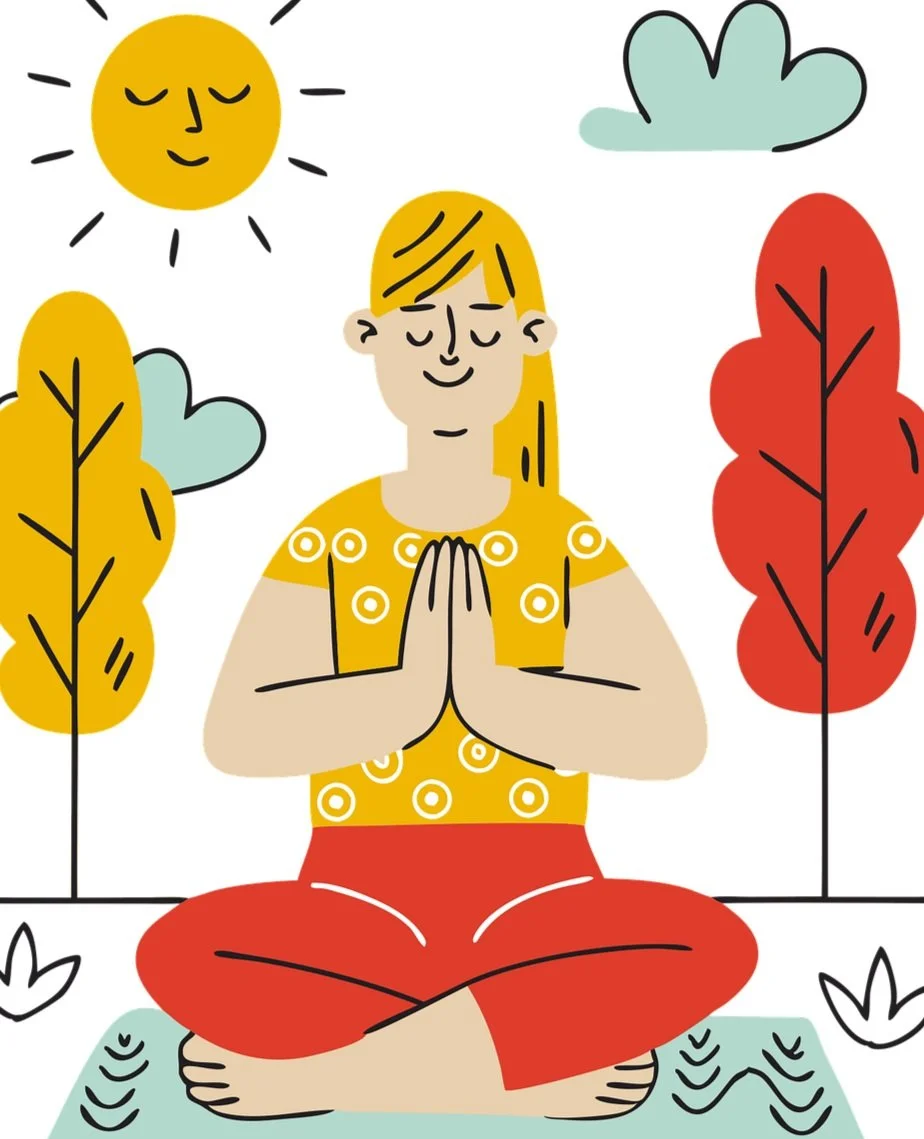
Practice Mindfulness and Meditation: Mindfulness helps you stay present and manage stress. Even a few minutes of deep breathing or guided meditation can calm your mind and improve focus.
Challenge Negative Thoughts: Notice unhelpful thinking patterns and gently reframe them. Cognitive Behavioral Therapy (CBT) techniques can be helpful for this.
Journaling: Writing down your thoughts and feelings can provide clarity and emotional release. The act of jotting down what you think and feel and reading it on paper helps to open up space in your mind for ideas and positive thinking.
Learn Something New: Keep your mind sharp and active. Try a new hobby, read a book, or enroll in an online course. Continuous learning is a great way to stimulate your brain.
Take Breaks: Step away from work or screens periodically to recharge. Short, 15-minute breaks can prevent burnout and improve productivity.
Emotional Self-Care: Honoring Your Feelings

Self-Validation: Acknowledge your emotions without judgment. Allow yourself to feel what you feel, and explore what’s driving those emotions.
Practice Gratitude: Take time each day to reflect on things you’re thankful for. Writing them down can help shift your focus to the positive.
Express Yourself: Talk to a trusted friend, family member, or therapist about your feelings. Don’t bottle up emotions-sharing them can be healing.
Practice Self-Compassion: Treat yourself with the same kindness you’d offer a friend. Remember, it’s okay to struggle and to ask for help.
Social Self-Care: Building Connections

Stay Connected: Spend time with friends, family, or support groups. Social connections provide emotional support and a sense of belonging.
Set Healthy Boundaries: Learn to say “no” when needed and prioritize your own needs. Boundaries help prevent burnout and maintain healthy relationships.
Join Community Groups: Engage in activities or clubs that interest you, whether in person or online. Shared interests can foster meaningful relationships.
Relaxation Techniques: Calming the Mind and Body
Visualization: Use guided imagery to picture a peaceful scene, like a beach or forest. Enhance the experience with calming music or scents.
Breathing Exercises: Practice deep, slow breaths to activate your body’s relaxation response. Even one minute of focused breathing can help reset your mind.
Progressive Muscle Relaxation: Tense and then slowly release each muscle group, starting from your toes and working upward. This technique can reduce physical tension and promote relaxation.
Integrating Self-Care into Daily Life
Build a Self-Care Plan: Life is full of self-care activities. Find the ones that resonate with you, implement them into your daily routine and be consistent!
Keep Yourself Accountable: Set alarms and reminders, keep note of your progress, or share your goals with a supportive friend, family member, therapist or coach.
Start Small: If self-care is new or foreign to you, beginning with one or two practices and gradually adding more make forming habits easier to obtain.
Be Flexible: Self-care is personal and can change daily, weekly or over time. Experiment to find out what works best for you. Then you can adjust as needed.
When to Seek Professional Support
Self-care is powerful and necessary, but not a substitute for professional help when you need it. If you’re struggling with persistent sadness, anxiety, or other mental health challenges, finding the right therapist can provide additional support and guidance. Therapy offers a safe space to explore your feelings without judgement, develop coping strategies that you might not have thought of trying, and help you work toward a positive, lasting change.
Final Thoughts
Prioritizing self-care is an act of self-respect and a vital component of mental health. By incorporating these tips and techniques into your daily life, you’re investing in your wellbeing and building resilience for whatever challenges come your way. Remember, you’re not alone-our therapy practice is here to support you every step of the journey.
If you’d like personalized guidance or want to explore self-care strategies in greater depth, don’t hesitate to reach out and schedule a session with us.
Take care of yourself-you deserve it.